Saudi Arabia’s Vision 2030: How Mohammad bin Salman is Redefining a Global Powerhouse
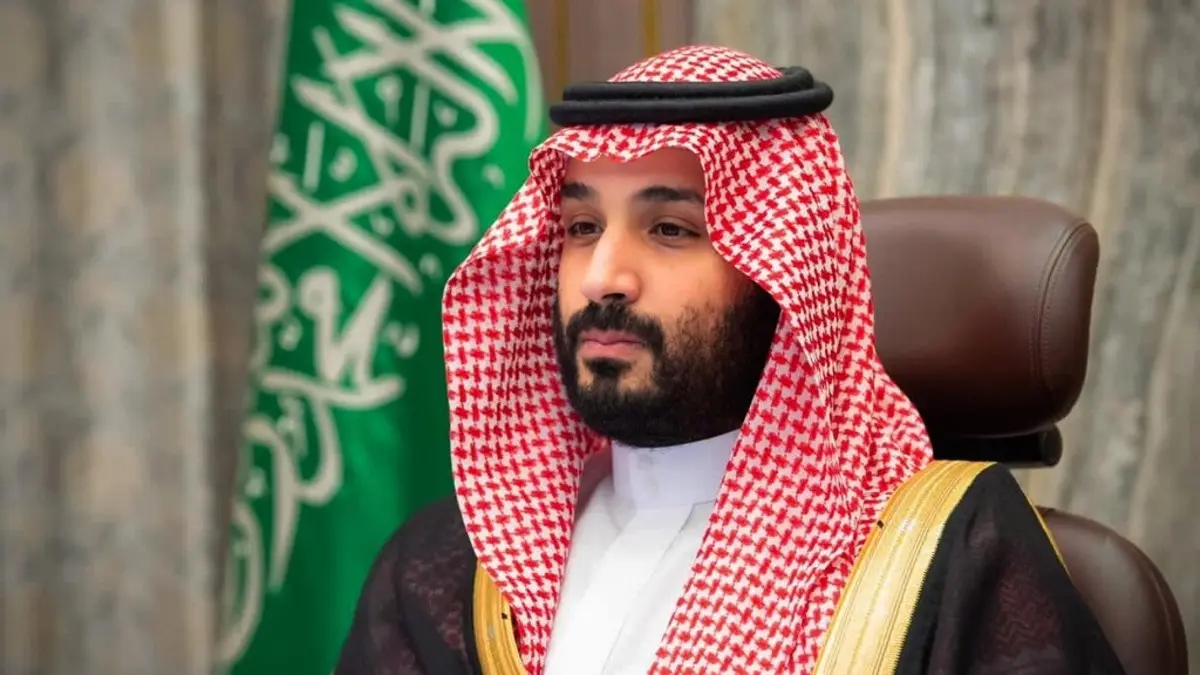
The Kingdom of Saudi Arabia, once viewed primarily through the lens of its vast oil reserves and conservative social fabric, is currently mid-way through one of the most ambitious national transformations in modern history. At the heart of this metamorphosis is Crown Prince Mohammad bin Salman (MBS), whose “Vision 2030” has evolved from a theoretical blueprint into a tangible reality that is reshaping the Middle East’s economic and geopolitical landscape.
As we stand in 2026, the progress is no longer just “projected”—it is visible in the skylines of Riyadh, the bustling tourist hubs of the Red Sea, and the record-breaking participation of women in the national workforce.
The Architect of Change: Mohammad bin Salman’s Leadership
When MBS was appointed Crown Prince in 2017, he inherited a nation heavily dependent on the “black gold” of the 20th century. Recognizing that a carbon-dependent economy was unsustainable in a rapidly digitizing world, he introduced Vision 2030.
His leadership style has been characterized by “shock therapy” for the bureaucracy—slashing through red tape, dismantling the absolute power of the religious police, and demanding accountability through the National Center for Performance Management. For the youth of Saudi Arabia, who make up over 60% of the population, MBS represents a departure from the status quo toward a “Moderate Islam” that balances tradition with global integration.
Economic Diversification: Beyond the Oil Well
The primary objective of the reforms was to decouple the Saudi budget from oil price fluctuations. By early 2026, the results have been historic:
-
Non-Oil GDP Milestone: For the first time, non-oil activities have contributed over 50% of the real GDP.
-
The PIF Engine: The Public Investment Fund (PIF), chaired by the Crown Prince, has grown into a $3.5 trillion (SAR) sovereign powerhouse, investing in everything from global tech giants to local renewable energy plants.
-
The Tourism Revolution: With the introduction of the e-visa and the development of “Giga-projects” like NEOM and AlUla, Saudi Arabia is on track to welcome over 100 million visitors annually by the end of the decade.
Key Economic Indicators (2016 vs. 2026)
| Metric | 2016 Baseline | 2026 Status |
| Unemployment Rate (Saudis) | 12.3% | 2.8% (Historical Low) |
| Women’s Workforce Participation | 17% | 36% (Exceeded Target) |
| Home Ownership Rate | 47% | 63.7% |
| Non-Oil Revenue | $44 Billion | $121 Billion+ |
Social Liberalization: A “Vibrant Society”
Perhaps the most striking changes are social. The “Vibrant Society” pillar of Vision 2030 has fundamentally altered daily life in the Kingdom.
-
Women’s Empowerment: Beyond the right to drive granted in 2018, women now occupy high-ranking diplomatic, corporate, and military roles. The removal of the guardianship system and the introduction of workplace anti-discrimination laws have turned the female workforce into a primary driver of the new economy.
-
Entertainment and Culture: The General Entertainment Authority has turned Saudi Arabia into a regional hub for concerts, international sporting events (including Formula 1 and major boxing matches), and the burgeoning “Gaming and Esports” sector.
-
The “Moderate Islam” Pivot: The Crown Prince has consistently emphasized a return to an Islam that is open to the world and all religions. This has included significant reforms to the legal system, moving toward codified laws that ensure greater transparency and judicial consistency.
“We are returning to what we were before—a country of moderate Islam that is open to all religions and to the world.” — HRH Mohammad bin Salman
Giga-Projects: Building the Future
The reforms are physically manifested in several massive urban and environmental projects that sound like science fiction but are rapidly taking shape:
-
NEOM & The Line: A cognitive city powered by 100% renewable energy. By 2026, the first modules of The Line and the luxury island destination Sindalah are already operational.
-
The Red Sea Project: A luxury regenerative tourism destination that sets new global standards for environmental protection.
-
Saudi Green Initiative (SGI): A commitment to plant 10 billion trees and reach Net Zero emissions by 2060, positioning the Kingdom as a leader in the global energy transition.
Must Read: Fake Digital Arrest, its menace and frauds
Global and Regional Role: The Diplomatic Pivot
In 2026, Saudi Arabia’s foreign policy has shifted from “ideological” to “pragmatic.” Under MBS, the Kingdom has adopted a multi-alignment strategy, maintaining its decades-long security partnership with the United States while deepening economic ties with China, India, and the European Union.
Saudi Arabia has emerged as a “Middle Power” mediator, playing a crucial role in de-escalating regional tensions and positioning itself as a bridge between the East and the West. The Kingdom’s entry into the BRICS framework and its leadership in the IMEC (India-Middle East-Europe Economic Corridor) highlight its role as a global logistical and financial hub.
Challenges and the Road to 2030
No transformation of this scale is without friction. The Kingdom continues to navigate:
-
Global Inflation: Managing the high costs of infrastructure projects amidst fluctuating global markets.
-
Human Capital: The need to rapidly upskill the local workforce to meet the demands of high-tech industries.
-
Geopolitical Stability: Ensuring that regional conflicts do not disrupt the flow of foreign direct investment (FDI).
Conclusion
The Saudi Arabia of 2026 is unrecognizable from the Saudi Arabia of 2016. Through the iron will of Mohammad bin Salman and the strategic framework of Vision 2030, the Kingdom has proved that even the most deeply rooted systems can evolve. For the global community, the “New Saudi” is no longer just an oil station—it is a laboratory for the future of urban living, energy transition, and social reform.
As a news portal dedicated to truth and depth, HamaraTimes.com will continue to monitor this historic journey. The story of Saudi Arabia’s reform is not just a national story; it is a global one.
Follow us on Facebook, YouTube and Twitter for latest updates.